



The Grand Canal in Venice: the main waterway of the city, which you need to see with your own eyes
Imagine a street that is almost four kilometers long. Instead of asphalt, there is water. Instead of houses, there are palaces that have been standing here for five hundred years. Instead of buses, there are gondolas and vaporettos. And instead of the usual urban bustle, there is the quiet lapping of waves against old walls, the voices of gondoliers and the ringing of bells from the bell towers reflecting off the water.
This is the Grand Canal. The most famous waterway of Venice. The one that people from all over the world come here for. And the very route without which a trip to Venice is considered incomplete.
What is the Grand Canal: facts and figures
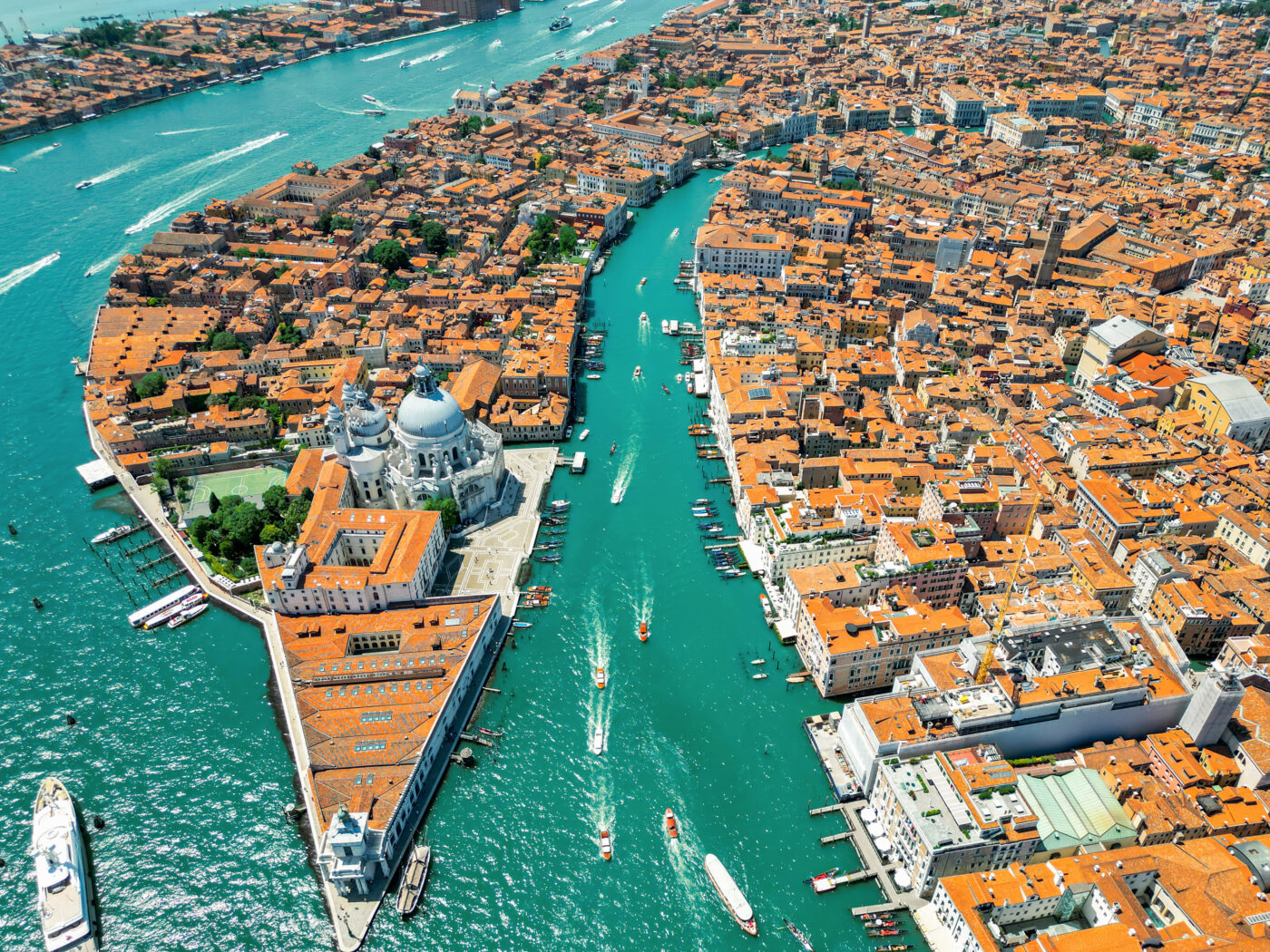
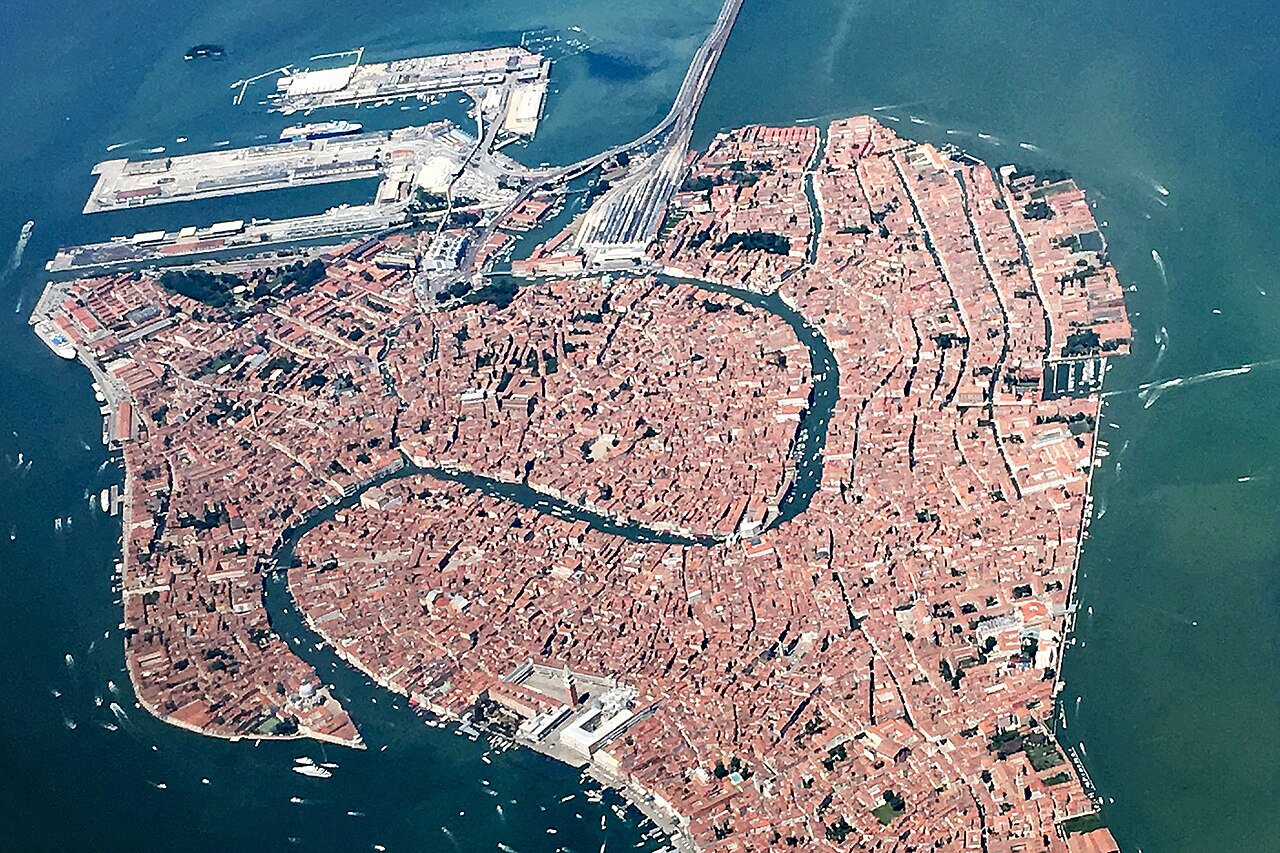
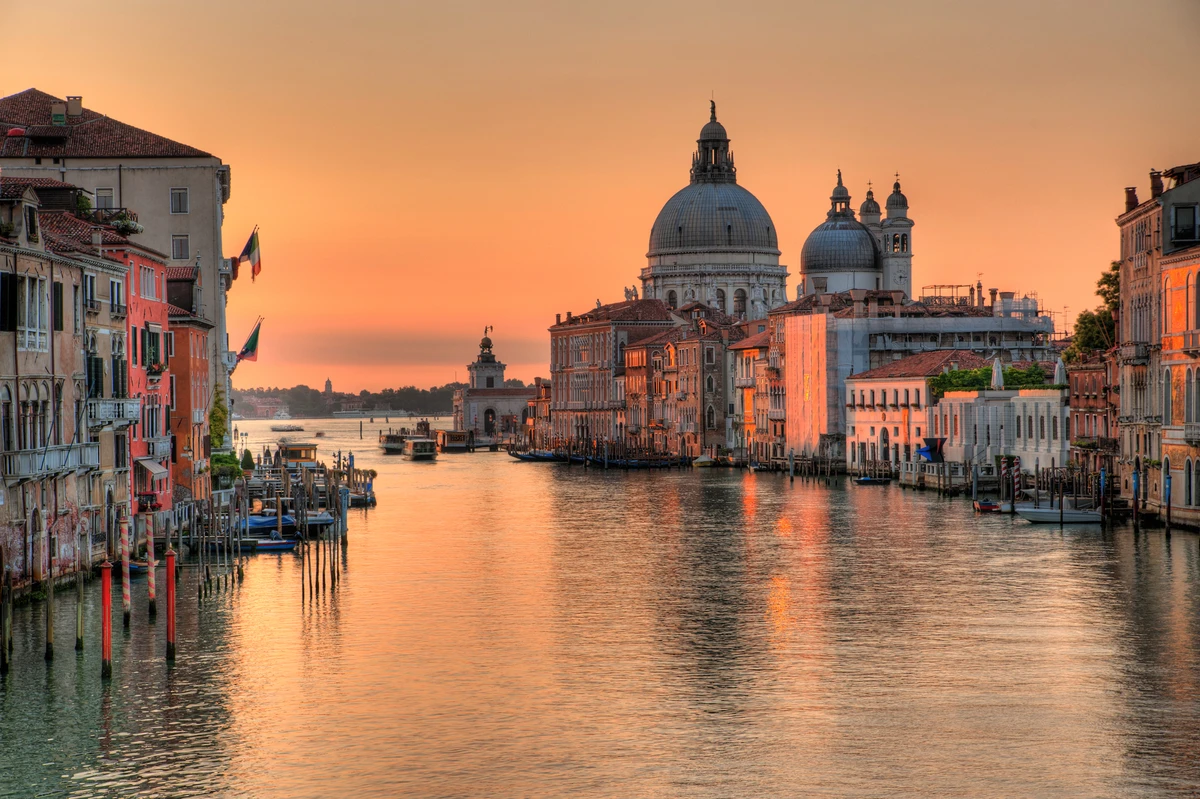
The Grand Canal is not just a canal in the usual sense. This is the main channel that runs through the entire city, dividing it into two parts and connecting the islands of the Venetian lagoon. From a height, it resembles an inverted letter S, curving between historical districts, and ends at St. Mark’s Square, where it flows into the La Giudecca Canal.
Its length is 3.8 kilometers. The width ranges from 30 to 70 meters. The depth reaches five meters, enough for not only gondolas, but also cargo barges, passenger vaporettos, and even small cruise ships to pass through it.
But the most amazing thing is the shores. The canal has almost no embankments in the usual sense. They are replaced by facades of houses that face directly onto the water. These houses are built on wooden stilts, hammered back in the 5th century, when Venice was just beginning its journey to greatness. And each of them has two entrances: one from the land, onto a narrow street, the other directly into the water, where the owners’ boats are moored.
The history of the Grand Canal: from the Fishing Bayou to the main street
Initially, the Grand Canal was nothing more than a small channel winding between the islands of the lagoon. Fishermen, salt workers, and the first settlers from the mainland, who fled from the barbarian invasions, settled here. One of the first settlements was the Rialto area, where the famous bridge now stands.
By the 10th century, Venice began to turn into a maritime power. The Grand Canal has become the main transport artery. Goods from all over the Mediterranean were brought here: spices from Asia, silks from China, gold from Africa, grain from Sicily. Trade was raging right on the water. Boats with goods moored directly to the palaces, and merchants, without going ashore, made deals worth millions of ducats.
The Venetian nobility built their palaces along the canal. Everyone wanted to stand out: some with Byzantine mosaics, some with Gothic arches, some with Renaissance colonnades. So the Grand Canal turned into the front showcase of the republic, where you could read the history of Venetian architecture.
In the era of geographical discoveries, the canal became a busy thoroughfare for merchants from all over Europe. Ships from Constantinople, Alexandria, London, and Bruges were unloaded here. Barns were bursting with goods, and hundreds of boats were parked on the water, waiting for their turn to unload.
Today, the Grand Canal is no longer a commercial artery. But its importance to the city has not decreased. This is the main thoroughfare through which vaporetto river trams move, carrying thousands of passengers every day. This is a tourist spot where people come to see the Ka’ d’ Palace.Oro, the Church of Santa Maria della Salute and, of course, the Rialto Bridge. It is a symbol of Venice, as recognizable as the gondola or St. Mark’s Square.
Palaces, bridges and churches: What to watch
If you find yourself on the Grand Canal, here’s what’s worth seeing first.
The Rialto Bridge is the oldest and most famous bridge over the canal. It was originally made of wood, and it was washed away by water more than once. At the end of the 16th century, the Venetians decided to build a stone bridge that would withstand any elements. That’s how the Rialto appeared, as we know it today. One arch, 48 meters long, two lines of shops on the sides and the view that opens from its top is one of the most photographed in the world.
Ca’ d’Oro (Golden House) is a palace on the north bank of the canal, which was once covered with gold leaf. Hence the name. Now the gold has long since peeled off, but the Venetian Gothic facade fascinates no less. There is a museum inside, which is worth visiting if you have time.
Ca’ Rezzonico is an example of the Venetian Baroque. Now it is a museum of the XVIII century with luxurious interiors, paintings and furniture of that era. If you pass by on a vaporetto, it seems that the palace is floating above the water.
Ca’ Foscari is a Gothic palace where the university is located today. Its facade with its characteristic battlements and lancet windows is one of the most recognizable on the canal.
Santa Maria della Salute is a church at the entrance to the Grand Canal from San Marco. It was built in gratitude for ridding the city of the plague. Its huge white dome is visible from anywhere on the canal and has become as much a symbol of Venice as the Rialto Bridge.
In total, there are more than a hundred palaces on the banks of the Grand Canal. Each has its own history, its own architectural style, and its own legends. Some of them are open to the public, others are private residences where the descendants of the Venetian patricians still live.
How to view the Grand Canal: options for tourists
The most affordable and democratic way is a vaporetto (water bus). Route No. 1 runs along the entire Grand Canal from Santa Lucia Train Station to St. Mark’s Square. He makes stops at almost every palace, so you can get off wherever you want to stay. The ticket costs 9.5 euros and is valid for 75 minutes.
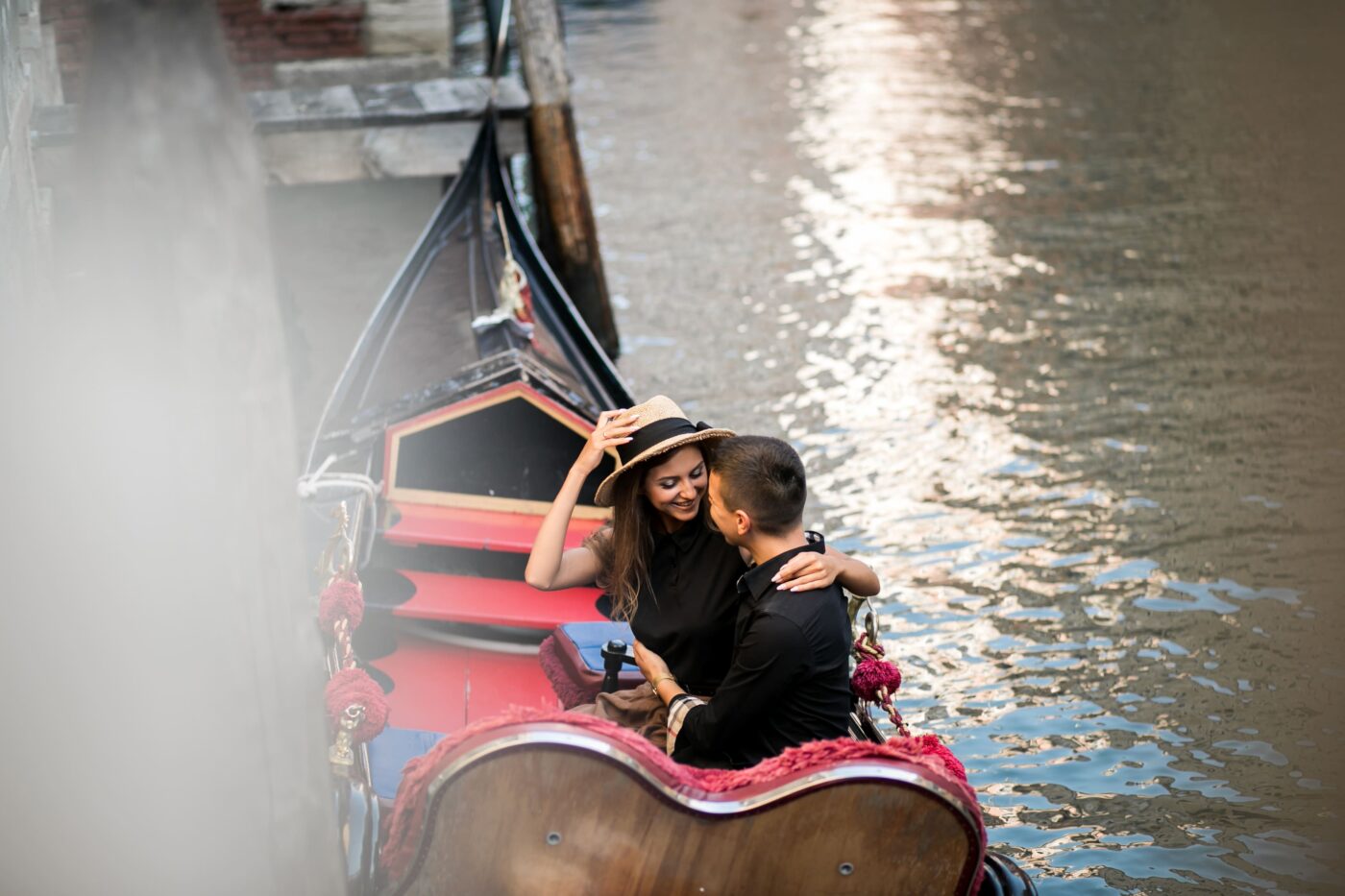
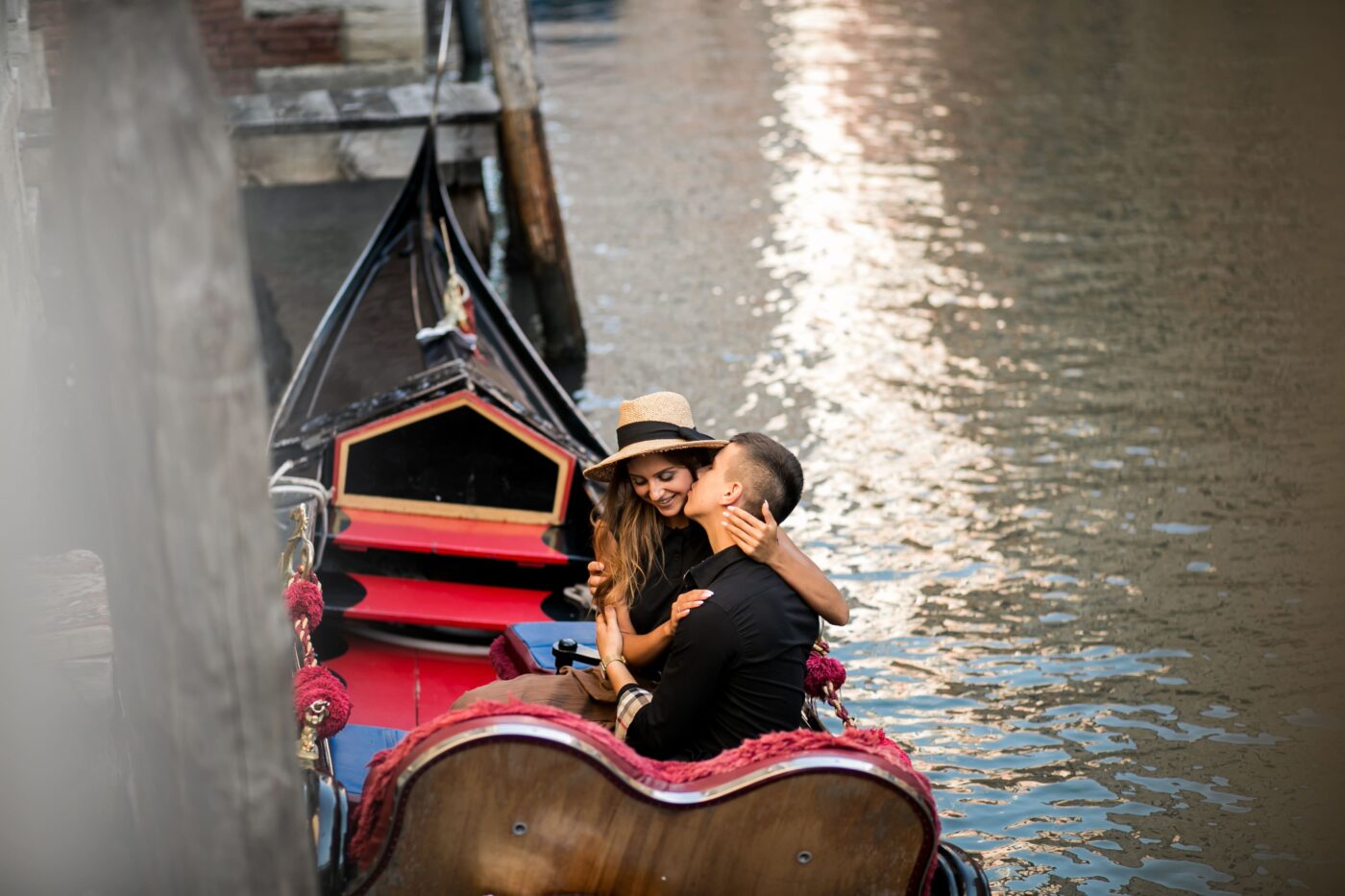
The most romantic is the gondola. Yes, it’s expensive (from 80 euros for 30 minutes), but no amount of money can buy the feeling of sailing along the Grand Canal, listening to a gondolier’s song, surrounded by palaces and water.
The most comfortable is a private motorboat. If you are traveling with a company or want to avoid the crowds on the vaporetto, you can rent a boat with a private guide. You decide where to stay, how much time to spend at each palace, and where to go inside.
Tragetto ferries, gondolas that transport people from one shore to the other, serve as an alternative to bridges when crossing the canal. It costs only 2 euros, and it’s a great way to feel like a local.

Why the Grand Canal is worth seeing with your own eyes
Because this is Venice in miniature. Its entire history, architecture, and life are concentrated here, on three and a half kilometers of water.
Here you will see what a city looks like that has built canals instead of streets. How palaces that are five hundred years old still stand on wooden stilts. How gondolas built using 16th century technology still float on the same waters as they did hundreds of years ago.
Here you will understand why Venice is called “Serenissima” — the most serene. Because when you sail through the Grand Canal, time stops. No rush, no traffic jams, no fuss. There is only water, palaces and silence, broken only by the splash of oars.
Venice should be seen from the water. Because from the land you can only see the facades. And from the canal, the city opens up in front of you as the builders intended it to be — as a single whole, where each palace is inscribed in the suite of others, where each bridge has its own meaning, where each turn opens up a new landscape.
Anyships offers guided tours of the Grand Canal on private boats with Russian-speaking guides. We will show you not only the front facades, but also the hidden channels where the tourist routes do not enter. Let’s tell the story of each palace. We will arrange a stop at the most beautiful places for photos. And we will make your acquaintance with Venice memorable for the rest of your life.
Contact us to book the perfect Grand Canal tour. Water time is the best time in Venice.




 WhatsApp